
Have you ever heard of the term “freedom of the press”? It is an important part of the United States Constitution. But what does “freedom of the press” mean? How can we make sure the press remains free?
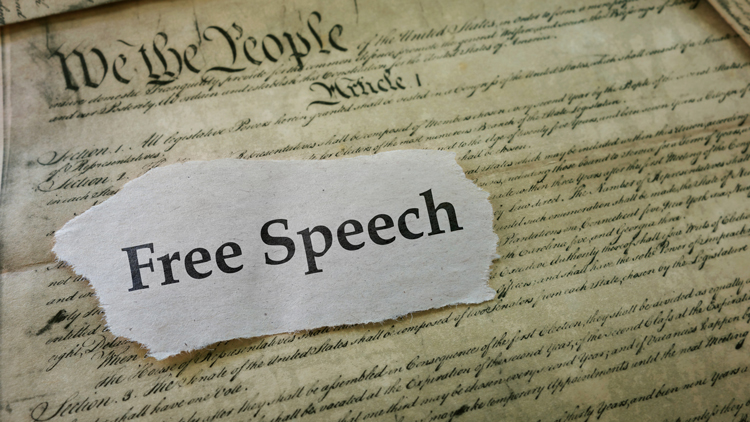
The Bill of Rights is the first 10 amendments to the US Constitution. It spells out the rights guaranteed by the United States government including freedom of the press.
The press includes news reporters who share the news on tv or radio or in print. Freedom of the press means people have the right to publish information. The government cannot edit or restrict this information. There are some limits on freedom of the press. For example, publishers can be sued if they publish false information that damages somebody’s reputation.
Photo Credit: Tom Schmucker/123RF
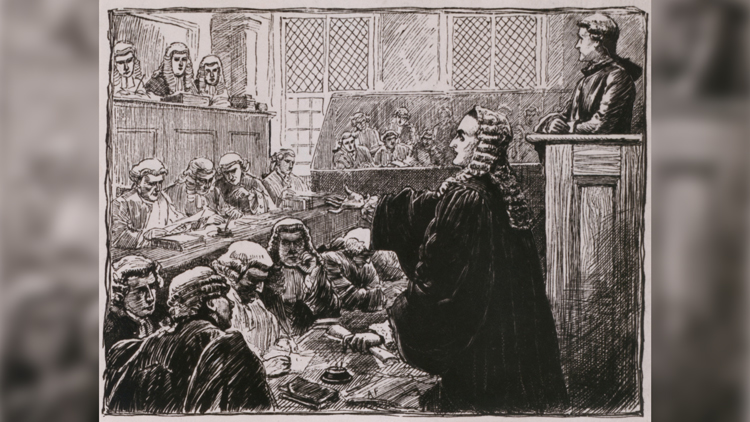
John Peter Zenger’s lawyer, Andrew Hamilton, defends him in a trial.
In the United States, freedom of the press dates back to the colonial times. In 1735, a printer named John Peter Zenger published an article that criticized the Royal Governor of New York. Even though what he published was true, according to English common law it was still a crime to publish criticism of the governor. A colonial jury ignored the law and found Zenger not guilty. This decision would influence a generation of colonists. Decades later, the freedom of the press would be included in the First Amendment of the Constitution.
Photo Credit: Alfred Fredericks (American landscapist, figure painter, and illustrator, active 1853-1907, died 1926)/Alamy Stock Photo
With news moving online, being able to tell what is a reliable source has become much more difficult.
Freedom of the press is an important issue today both in the United States and around the world. A free press helps people stay informed about issues that are important to them. Journalists and their reporting also serve as a check on governments.
As informed citizens, it is important to understand the news you see. That is becoming more of a challenge than ever. Many smaller news agencies are going out of business. Larger organizations are cutting back on local reporting. There is also “news” shared online that has not been properly checked. You have to be very careful to determine whether you can trust something you read online.
What Can You Do? When you read something, first identify what is a fact and what is an opinion. Then, look for overly positive or overly negative words that show an author’s feelings. Make sure to read multiple sources of information to learn about an issue.
Photo Credit: fizkes/Shutterstock