

Treatment for disorders caused by genes, medicine that works better, and crops that can survive a drought. What do these have in common? To answer the question, let’s go back in time a little bit.
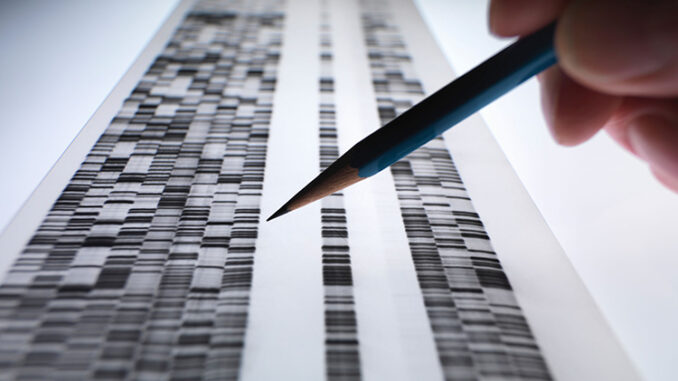
Twenty-five years ago, on February 15, 2001, one of the biggest scientific breakthroughs of this century occurred. Scientists published a complete draft of the human genome (a complete set of an organism’s genetic code). That means scientists had identified and mapped about 90 percent of all human genes. These scientists were working on the Human Genome Project.
Genes carry information about a person’s traits, such as hair color and eye color. The information in genes also affects health. For example, you, or someone you know, may have an upset stomach after drinking milk. Some people cannot digest the natural sugar in the milk. This is due to genes.
Some people may have more serious health problems due to genes. Disorders, such as sickle cell disease, happen because of genes. In sickle cell disease, a change to one gene changes the shape of red blood cells (cells that carry oxygen to and waste away from tissues in the body). The cells do not function properly. They may not bring enough oxygen to the rest of the body.
How are disorders caused by genes related to the Human Genome Project? Understanding the human genome has improved treatment of these disorders. In one type of treatment, called gene therapy, genes that cause a disorder can be fixed. They can be fixed so they have the correct information. For example, gene therapy has been used to treat sickle cell disease.
Information from the Human Genome Project has led to better treatment for cancer (a disease in which cells have uncontrolled growth and spread to other parts of the body). It also helps scientists develop medicine that works better.
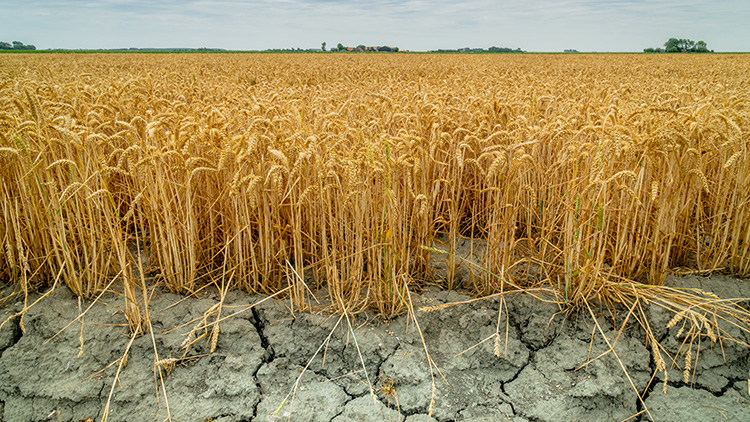
What about crops? Sequencing (putting things in order) the human genome led to sequencing the genome of other organisms, including plants grown for food. When looking at a plant’s genome, scientists can identify genes that help a plant live through a drought (a long period of time without rain) or resist cold. Using technology, they can transfer these genes to other plants. Now, farmers can grow crops that survive better in harsh conditions.
What Can You Do? What questions do you have about the Human Genome Project?
Photo Credit: (t)Rafe Swan/Image Source/Alamy Stock Photo, (b)Jasper Suijten/Shutterstock